
How AI & Automation Are Changing MBA Curriculum
 January 24, 2026
Table Of Content
- Why MBA Curriculum Needs an Upgrade
- AI-Powered Subjects Becoming Core MBA Courses
- Automation Transforming Operations & HR Management
- Data-Driven Decision Making Replacing Gut Feeling
- Personalized Learning Through AI Tools
- Automation in Case Studies & Simulations
- New MBA Specializations Emerging
- Skills Employers Expect from AI-Era MBA Graduates
- What This Means for MBA Aspirants
- Conclusion
The business world is evolving faster than ever, driven by Artificial Intelligence (AI) and automation. From data-driven decision-making to intelligent marketing tools and automated operations, companies today demand managers who understand technology as well as strategy. As a result, MBA admission trends and teaching methods are rapidly changing. Modern MBA colleges are redesigning their curriculum to prepare future leaders for an AI-powered business environment.
This blog explores how AI and automation are reshaping MBA education and why these changes matter for aspiring management students.
Why MBA Curriculum Needs an Upgrade
Traditionally, MBA programs focused on finance, marketing, HR, and operations using case studies and theoretical models. While these foundations are still important, businesses today rely heavily on:
- Big data and analytics
- AI-based decision systems
- Automation in supply chains and HR
- Digital platforms and customer intelligence
To stay relevant and improve employability, MBA colleges are integrating AI and automation into their core and elective subjects.
AI-Powered Subjects Becoming Core MBA Courses
One of the biggest changes in the MBA curriculum is the inclusion of AI-focused subjects. Many institutes now offer core or compulsory courses such as:
- Business Analytics & AI
- Machine Learning for Managers
- AI in Marketing and Sales
- Predictive Analytics in Finance
These subjects help students understand how AI tools analyze customer behavior, forecast demand, detect fraud, and support strategic decisions. During MBA admission, students are increasingly looking for colleges that offer strong analytics and AI exposure.
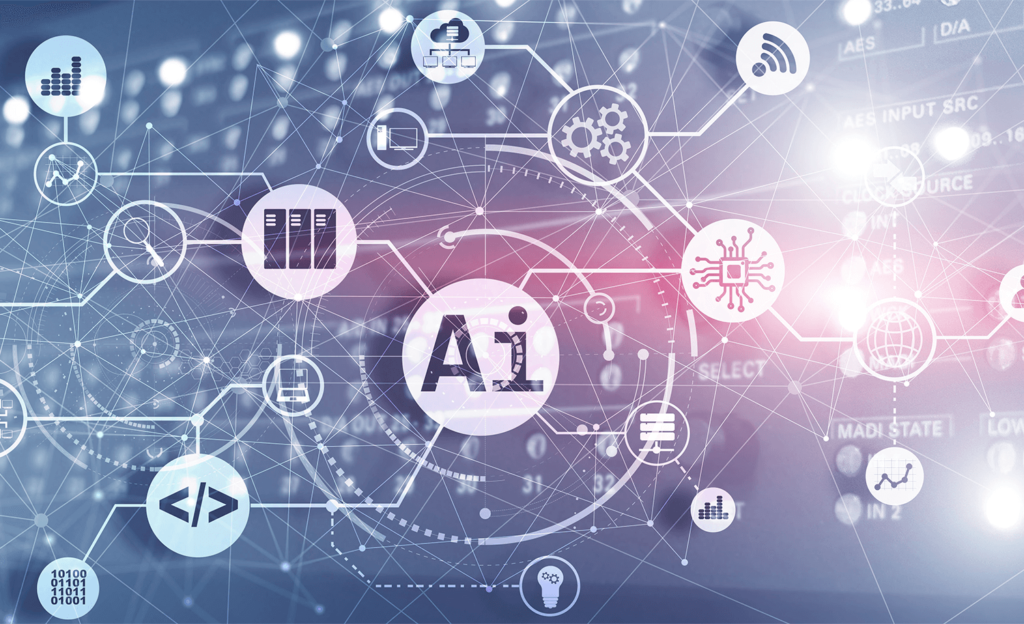
Image Courtesy: sidgs.com
Automation Transforming Operations & HR Management
Automation is no longer limited to factories. It plays a major role in:
- Supply chain optimization
- Process automation (RPA)
- HR recruitment and performance tracking
Modern MBA curriculum includes modules on Robotic Process Automation (RPA), ERP systems, and digital workflow management. HR specialization now covers AI-based hiring tools, resume screening software, and employee analytics.
This shift ensures MBA graduates are job-ready and capable of managing automated systems rather than being replaced by them.
Data-Driven Decision Making Replacing Gut Feeling
AI has made data the backbone of business decisions. MBA students today are trained to:
- Interpret dashboards and analytics reports
- Use tools like Power BI, Tableau, and Python (basic level)
- Understand data ethics and privacy
Instead of relying only on intuition, students learn to combine experience with data insights. This makes graduates more valuable to employers and improves placement outcomes—an important factor considered during MBA admission.
Personalized Learning Through AI Tools
AI is not only changing what students learn, but also how they learn. Many MBA colleges are adopting AI-driven learning platforms that offer:
- Personalized study recommendations
- Adaptive assessments
- Virtual teaching assistants and chatbots
These tools help students learn at their own pace and focus on weak areas. Online MBA and hybrid programs are also benefiting from AI-powered learning management systems.
Automation in Case Studies & Simulations
Traditional case studies are being enhanced with AI-based simulations. Students now participate in:
- Virtual business simulations
- AI-driven market strategy games
- Real-time data-based decision scenarios
These practical tools help students understand the real impact of automation on profits, customer satisfaction, and operational efficiency.
New MBA Specializations Emerging
AI and automation have given rise to new MBA specializations such as:
- MBA in Business Analytics
- MBA in AI & Data Science
- MBA in Digital Transformation
- MBA in FinTech
These programs are especially popular among tech-savvy students and working professionals. Many MBA colleges highlight these specializations to attract quality applicants during the MBA admission process.
Skills Employers Expect from AI-Era MBA Graduates
With AI and automation becoming mainstream, employers now look for MBA graduates who have:
- Analytical and critical thinking skills
- Basic understanding of AI tools
- Ability to manage technology-driven teams
- Strategic mindset with digital awareness
MBA curriculum updates focus on developing these skills through projects, internships, and industry collaborations.
What This Means for MBA Aspirants
If you are planning for MBA admission, it is important to choose colleges that offer:
- Updated AI-integrated curriculum
- Industry-oriented projects
- Strong analytics and digital exposure
- Faculty trained in modern business technologies
An MBA degree that ignores AI and automation may limit career growth in the long run.
Conclusion
AI and automation are no longer optional add-ons—they are reshaping the very foundation of management education. Forward-thinking MBA colleges are embracing these technologies to create future-ready leaders who can thrive in a digital economy. For students, understanding this shift can help make smarter decisions during MBA admission and ensure long-term career success.
Choosing the right MBA program today means choosing a curriculum aligned with tomorrow’s business world.